
Written by Erin Percy - Sports Dietitian
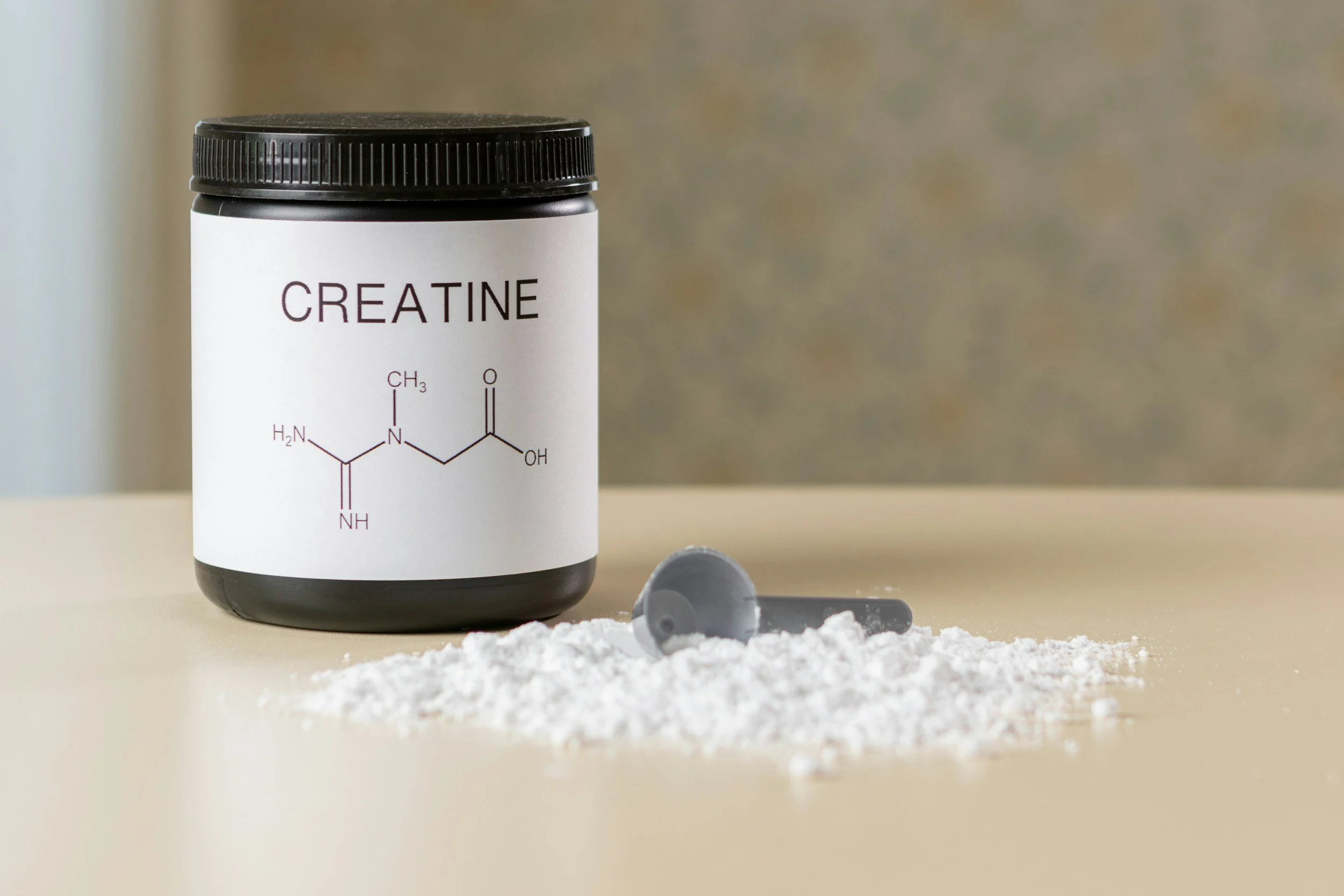
With the growing evidence and interest in creatine over the last 12 months, we thought it was a great time to answer some of the most common questions we get from clients in the clinic. For a long while, creatine carried the reputation of being “just for gym bros” or only useful for people wanting to build big muscles. But with the expanding research, we now understand creatine offers far more benefits than muscle growth alone.
Before we dive into those questions, it’s helpful to cover the basics for anyone new to the supplement. Creatine is a naturally occurring compound that your body makes and also gets from food, mainly red meat and seafood. Most of it is stored in your skeletal muscle as free creatine and phosphocreatine, where it plays a key role in rapidly regenerating energy during very short, intense bursts of exercise.
The catch is that your muscle creatine stores only fuel about 8–10 seconds of maximal effort before they run low, and it’s almost impossible to reach optimal levels through diet alone. That’s where creatine supplementation comes in. Creatine monohydrate helps saturate your muscles with creatine, supporting better high‑intensity performance and unlocking a range of additional benefits we’ll explore throughout this blog.

Question 1: What should I look for in a creatine supplement to know it is good quality?
With so many creatine products on the market, it can feel overwhelming to know which ones are actually worth your money. A good‑quality creatine supplement is usually very simple and there are three key things to look for:
Third-party batch testing
Choose a product that has been independently batch tested and carries a HASTA or Informed Sport certification. This is especially important for athletes who undergo drug testing.
Only one ingredient: Creatine Monohydrate
Check the ingredient list. A high quality creatine supplement should only contain creatine monohydrate. This is the most researched, effective and safest form available.
The form of the supplement: Powder vs gummies
You may have seen when looking online to purchase creatine that there is powder creatine or creatine gummies. Creatine Monohydrate powder is what is backed in research and what we always recommend to our clients.
Creatine gummies come with extra ingredients and a higher price that is not needed.

Question 2: Do I need to ‘load’ creatine when I first start taking it?
The short answer is no, you don’t need to load creatine when you first start taking it. Whether you should load creatine depends on your goals and how quickly you want to see the benefits.
A loading phase simply means taking higher doses of creatine for a short period (usually 5–7 days) to saturate your muscle stores more quickly. This typically looks like 20–25 g/day, split into 4–5 smaller 5 g doses. After that, you drop down to a maintenance dose of 3–5 g/day.
For athletes who want to maximise creatine stores in a short timeframe, loading can be useful. If you’re planning to take creatine long‑term, or you’d prefer to minimise the small, temporary increase in body weight that can occur from extra water retention during loading, sticking with the daily maintenance dose is perfectly appropriate.
In simple terms, you can choose one of two strategies:
Loading phase followed by daily maintenance:
20–25 g/day for 5–7 days, divided into 4–5 × 5 g doses
Daily maintenance:
3–5 g/day

Question 3: Are there any side effects to taking creatine?
With the current body of evidence, creatine is considered very safe, and no serious side effects have been demonstrated in healthy individuals. Many of the common myths like kidney damage or hair loss have been thoroughly debunked in research.
That said, a few mild, temporary symptoms can occur for some people.
Rapid weight gain
Creatine increases the amount of water stored inside your muscles, which can lead to a small increase in body weight, usually around 1–2 kg. This isn’t harmful and doesn’t reflect actual weight gain, but it can be relevant for athletes who need to “make weight” for their sport such as rowing or combat sports. Or for when power to weight ratios can make quite an impact on performance such as in road cycling and some running events.
This increase in body mass will remain while creatine stores are elevated. Once supplementation stops, muscle creatine levels gradually return to baseline and body weight typically normalises within 4–6 weeks.
Gastrointestinal upset
Some people experience mild, short‑lived stomach discomfort most commonly when taking large single doses (10 g or more).
A few simple strategies can help reduce this:
Stick to the maintenance dose (3–5 g/day), which is easier on the gut.
Avoid taking creatine at the same time as high‑fibre foods, which can increase the chance of bloating or discomfort.
Splitting larger doses into smaller servings can also help if doing the loading phase.

Question 4: Will creatine damage my kidneys?
With the amount of research available now, we can confidently say that taking creatine at recommended doses does not harm healthy kidneys. The confusion usually comes from how creatine is broken down in the body.
Creatine naturally breaks down into creatinine, which your kidneys filter out. When you take creatine supplements, it’s completely normal for creatinine levels in your blood or urine to rise slightly but this doesn’t mean your kidneys are being damaged. It simply reflects that you have more creatine in your system, not that your kidneys are under strain.
Question 5: Is creatine any good for endurance athletes?
Creatine isn’t traditionally thought of as an endurance supplement, and the research in this space is still much smaller compared to strength and power sports. More studies are definitely needed to fully understand its role in endurance performance.
That said, the evidence we do have is promising especially when you consider how most endurance events actually play out. Even in long‑duration sports, athletes still rely on surges, pace changes, hill efforts, end‑spurts, and short bursts of high intensity. These are exactly the types of efforts creatine supports.

Question 6: Is creatine safe for teenagers?
Most creatine research since the 1990s has focused on adults, and only a small number of studies have looked at adolescents. While the limited research we do have hasn’t shown any harmful effects in teens, there simply isn’t enough evidence yet to fully understand the short‑ or long‑term impacts of creatine use in this age group.
Because of this, we generally don’t recommend creatine supplementation for anyone under 18. At this stage of development, performance is far better supported through education around balanced dietary intake, consistent fuelling, and building solid training habits before considering supplements.
A reminder that supplements of any kind are like the sprinkles on top of a cake. You need to get the foundation of the cake right before adding the sprinkles. The same concept applies to sports nutrition, particularly for adolescent athletes. During these important years of growth and development, the focus should be on building strong foundations through a balanced diet, consistent fuelling, regular training, and good recovery habits. Once these basics are well established, athletes can then consider whether supplements may be appropriate.

Question 7: Is creatine beneficial if I am not an athlete?
Absolutely. Creatine isn’t just for athletes. There’s strong research showing benefits across a range of population groups.
Creatine can be particularly helpful for vegans and vegetarians, who naturally consume less creatine through food. Supplementation helps support their muscle creatine stores and can improve training quality and strength gains.
It’s also beneficial for older adults, especially those doing regular resistance exercise. Creatine can help slow age‑related declines in muscle mass, strength and power, supporting mobility and overall functional capacity.
Beyond physical performance, creatine has emerging benefits for cognition. Studies show improvements in short‑term memory, attention and reductions in mental fatigue, making it useful for everyday brain function not just sport.

For those interested in the research here are a few great articles if you’d like to dive deeper into the science behind creatine:
If you’re still unsure whether creatine is right for you, or you’d like personalised guidance based on your sport, training load or health goals, book an appointment with one of our Sports Dietitians today. We can help you decide if creatine fits into your routine and make sure you’re using it safely and effectively.