
Relative Energy Deficiency in sport (REDs)
Erin Percy, Accredited Sports Dietitian
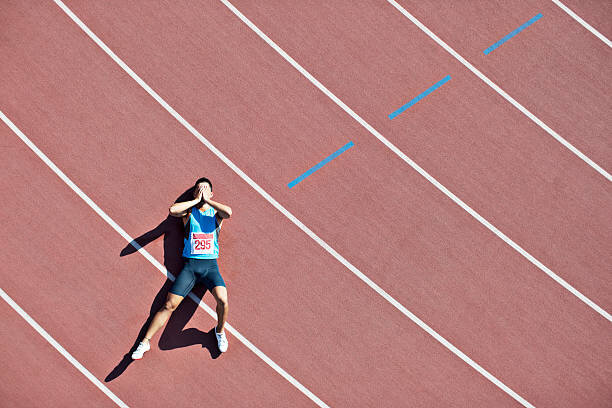
With Relative Energy Deficiency in Sport (REDs) being recognised more often in active people and athletes, we felt it was the right time to share some simple, practical education on what it is and why it matters. Understanding the basics helps athletes, coaches and parents spot the signs early, fuel more confidently, and protect both their health and performance.
What is REDs?
To understand REDs, it’s important to first understand Low Energy Availability (LEA). LEA occurs when there is a mismatch between how much energy an athlete consumes and how much they expend. In simple terms, dietary intake doesn’t meet the body’s total energy needs after energy has been expended for exercise and training. When this happens, the body doesn’t have enough fuel to support both daily functioning and the demands of training, leading to impaired health and performance (1).
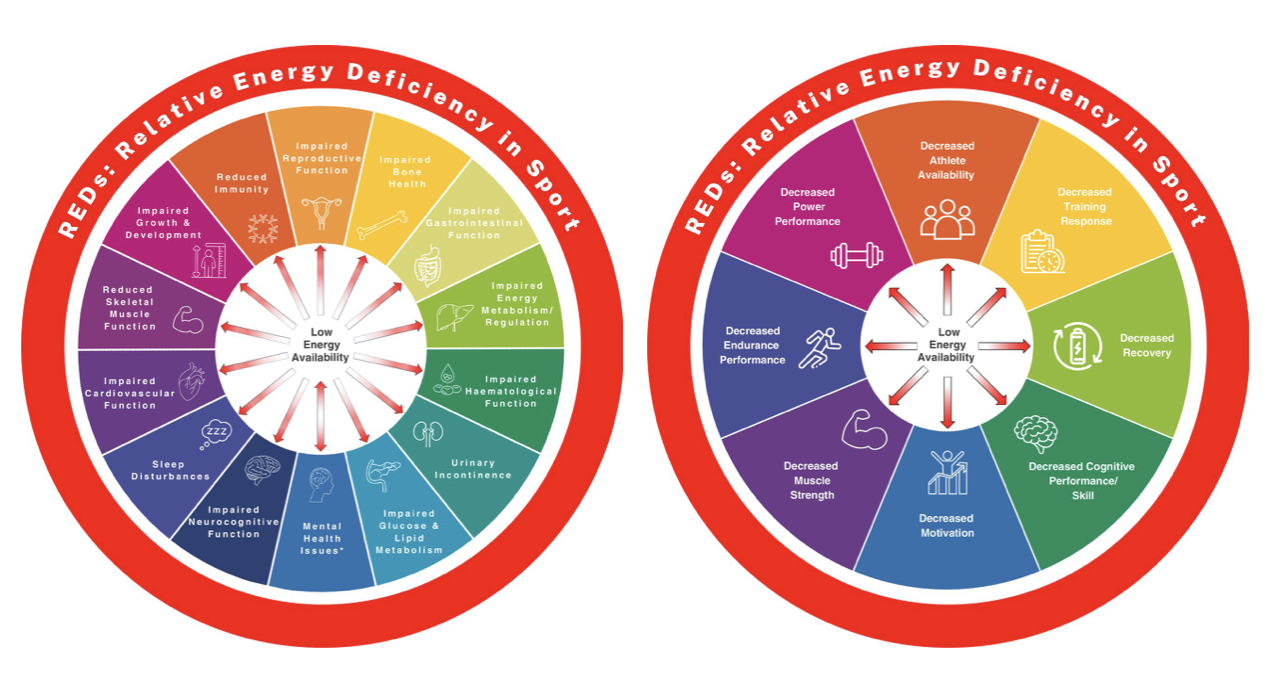
LEA over a period of time can progress to REDs, a syndrome that can impair physiological and/or psychological functioning that can affect both male and female athletes (1). REDs can impact multiple body systems (2) such as:
Hormone profiles
Stress fracture risk and osteoporosis
Menstrual health in females
Erectile function in males
Lowering basal metabolic rate causing weight gain or difficulty with changing body composition
Reducing Immunity
Impairing Sleep
Altering thermoregulation and how we feel the cold
Cardiovascular health and heart rate variability data
Gut function and increasing risk of gut symptoms
Psychological wellbeing and mood
Who is at risk of REDs
Any active individual whose energy intake doesn’t meet the demands of their training and daily energy expenditure is at risk of developing REDs. However, certain groups are more vulnerable due to higher energy needs or pressures related to their sport.
Adolescents
Young athletes are particularly susceptible and often go undiagnosed. Their energy requirements are significantly higher because they need fuel for both training and growth. Research shows that up to 80% of elite young female athletes and 60% of high school female athletes display at least one symptom of REDs (2).
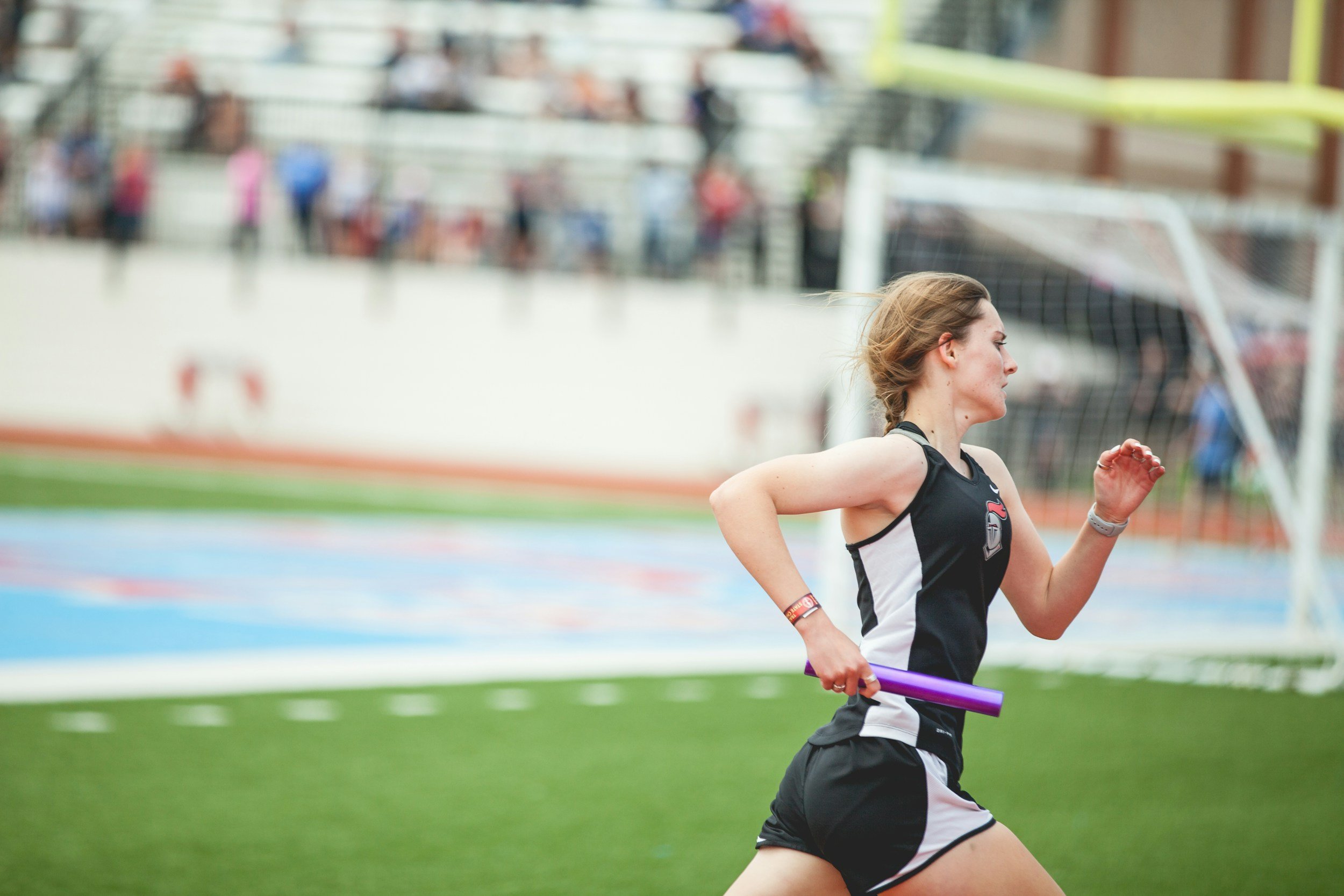
Female Athletes
Women have additional physiological considerations, including menstrual function and higher rates of iron deficiency, which can increase vulnerability to LEA and REDs. Breastfeeding alongside return to sport postpartum requires a large energy intake to meet demands that are often not met.
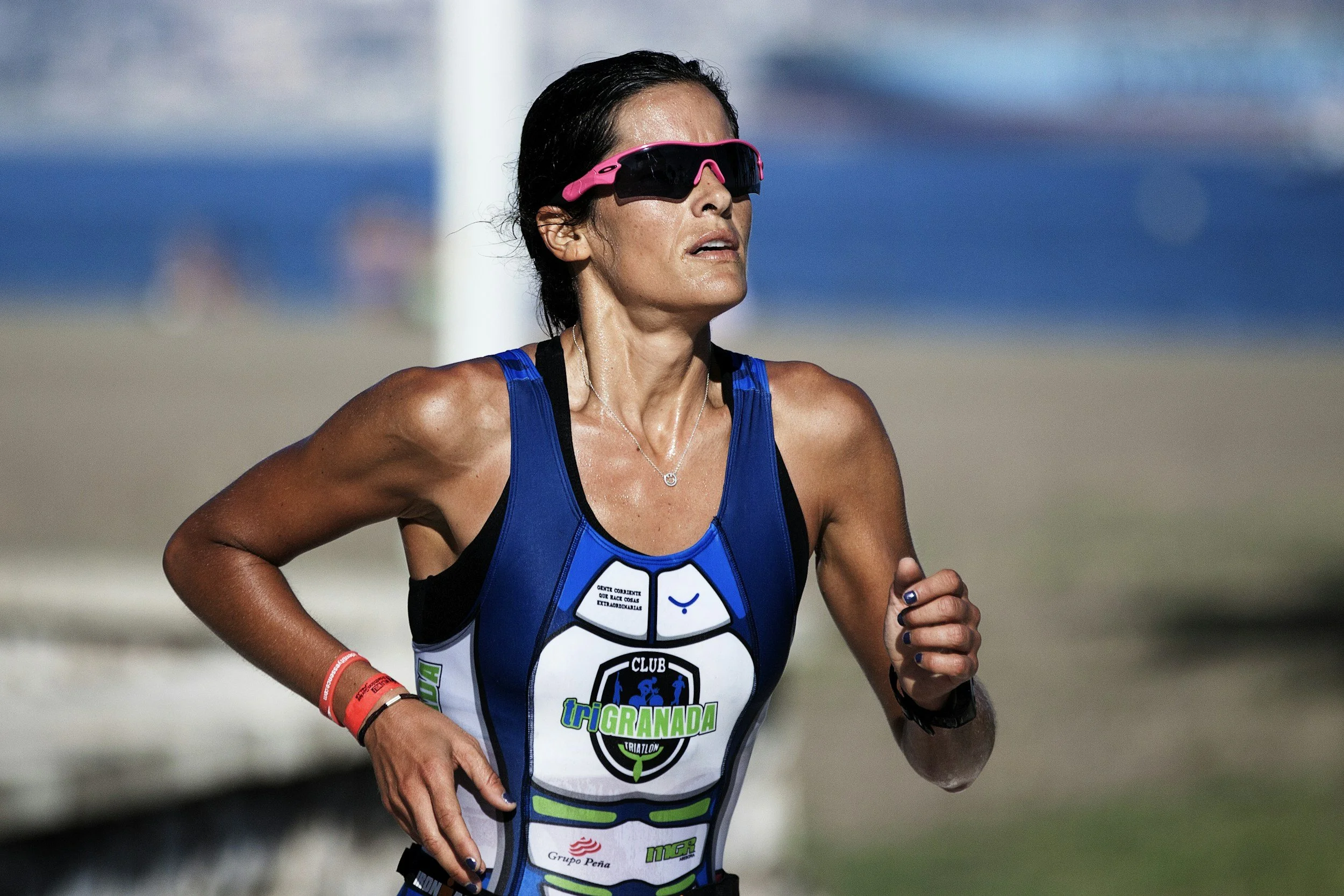
Endurance Athletes
This includes both novice and elite runners, cyclists, swimmers, and triathletes. Energy needs are extremely high for these athletes, and without adequate fuel for training, racing and day to day life, they are at increased risk of developing symptoms of REDs.

The Elite and the Novice
Those that are competing at the highest levels have very high training loads and are pushing their bodies and selves to the limit, in addition to often being body composition aware have the highest risk of REDs and overtraining injuries/symptoms. But also the Novice athlete, just starting out, has the least amount of training history especially with weight bearing / impact sports such as running. They also may not be used to eating more with training if they have not trained much before in their life. We are seeing a lot of REDs and bone stress injuries with the recent increase in running popularity. First time 10km, half or marathon runners could be at risk, just as much, if not more than the Elites.
Aesthetic Sports
Athletes in sports such as gymnastics and dance often face pressure to maintain a certain body shape or leanness. This can lead to intentional or unintentional restriction of food intake, increasing the risk of LEA and REDs.
Weight‑Class and Combat Sports
Sports like wrestling, rowing (lightweight categories), judo, and weightlifting place a strong emphasis on meeting specific weight requirements. Weight cutting, restrictive eating, and rapid fluctuations in intake can significantly increase REDs risk.
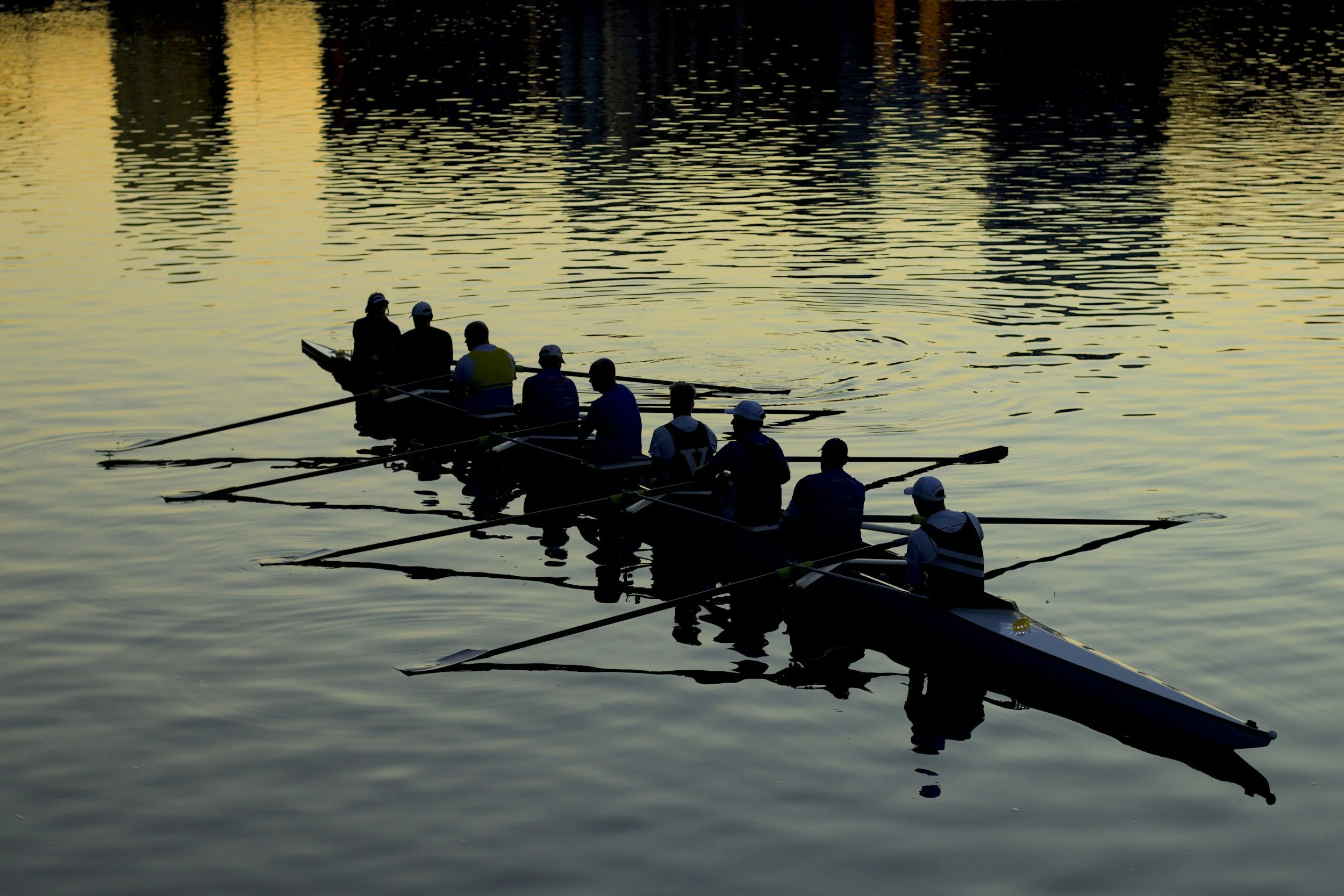
Ultimately, REDs can affect anyone whose fueling doesn’t match their training demands and activities of daily living but recognising which groups are most vulnerable helps coaches, parents, and athletes stay proactive and protect long‑term health and performance.
Signs and symptoms
REDs can show up in many different ways, and the signs aren’t always obvious at first. Athletes may notice one symptom or several, depending on how long they’ve been in low energy availability. Common signs and symptoms include:
Unintentional weight loss, intentional weight loss, or sometimes weight gain / stability when you would expect to be losing weight due to eating less
Decline in sports performance, strength, speed or ability to train at your best
Recurring illnesses
Shifts in mood and mental health
Irregular or loss of periods or lighter / shorter periods
Bone stress injuries or low bone mineral density
Poor circulation, feeling the cold sooner than others, feeling faint or known low blood pressure
Fatigue
Gut symptoms
Changes in your sleep
The International Olympic Committee (IOC) has developed a model that shows the health consequences linked to REDs as well as the main performance consequences.
Treatment of REDs and a sports dietitians involvement
The first step in treating REDs is addressing the underlying LEA and restoring your body’s energy balance. Recovery is highly individual, it depends on how severe the LEA is, how long it has been present, and whether there are other medical concerns such as stress fractures, hormonal changes, or mental health challenges. No two athletes recover in exactly the same way, which is why treatment needs to be personalised.
As sports dietitians, we will be aiming to optimise:
Energy availability either through increasing energy intake, reducing training load or increasing the regularity of eating throughout the day.
Carbohydrate availability. Carbs are our body’s primary fuel source so these are particularly important to have enough overall, at the right times around exercise and regularly throughout the day.
Pre and Post exercise nutrition to ensure there is fuel specifically for the work required in training. We will also help you fuel well during your sessions.
Specific nutrients at risk such as Iron, Calcium and Protein intake and we can help guide you when a supplement is needed and to maximise the absorption of these nutrients and supplements.
Additional challenges such as travel, altitude training, heat stress, other medical nutrition needs and sport specific issues.
Growth and development with nutrition as appropriate for younger athletes.
Ultimately, treating REDs isn’t just about “eating more.” For many athletes, it’s about rebuilding trust around fueling, learning how to support performance with food, reducing injury risk, and restoring normal physiological function so you can feel energised, strong, and able to perform at your best.
When to seek help
If you’ve noticed any of the signs or symptoms discussed above, the first step is to speak with your doctor and get checked out. From there, your GP or sports doctor can refer you to a sports dietitian who will support your recovery, help you understand your body’s needs, and work with you to get back to performing at your best.
Even if you don’t have REDs but you are struggling with your nutrition or wonder if you are eating enough at the right times, it certainly doesn’t hurt to catch up with a Sports Dietitian anyway to optimize fueling and reduce your risk of low energy availability.
Erin and Nicole are both Accredited Sports Dietitians and are able to support you with your health and performance goals.