
Nutrition planning for your next Marathon
-Erin Percy, Sports Dietitian
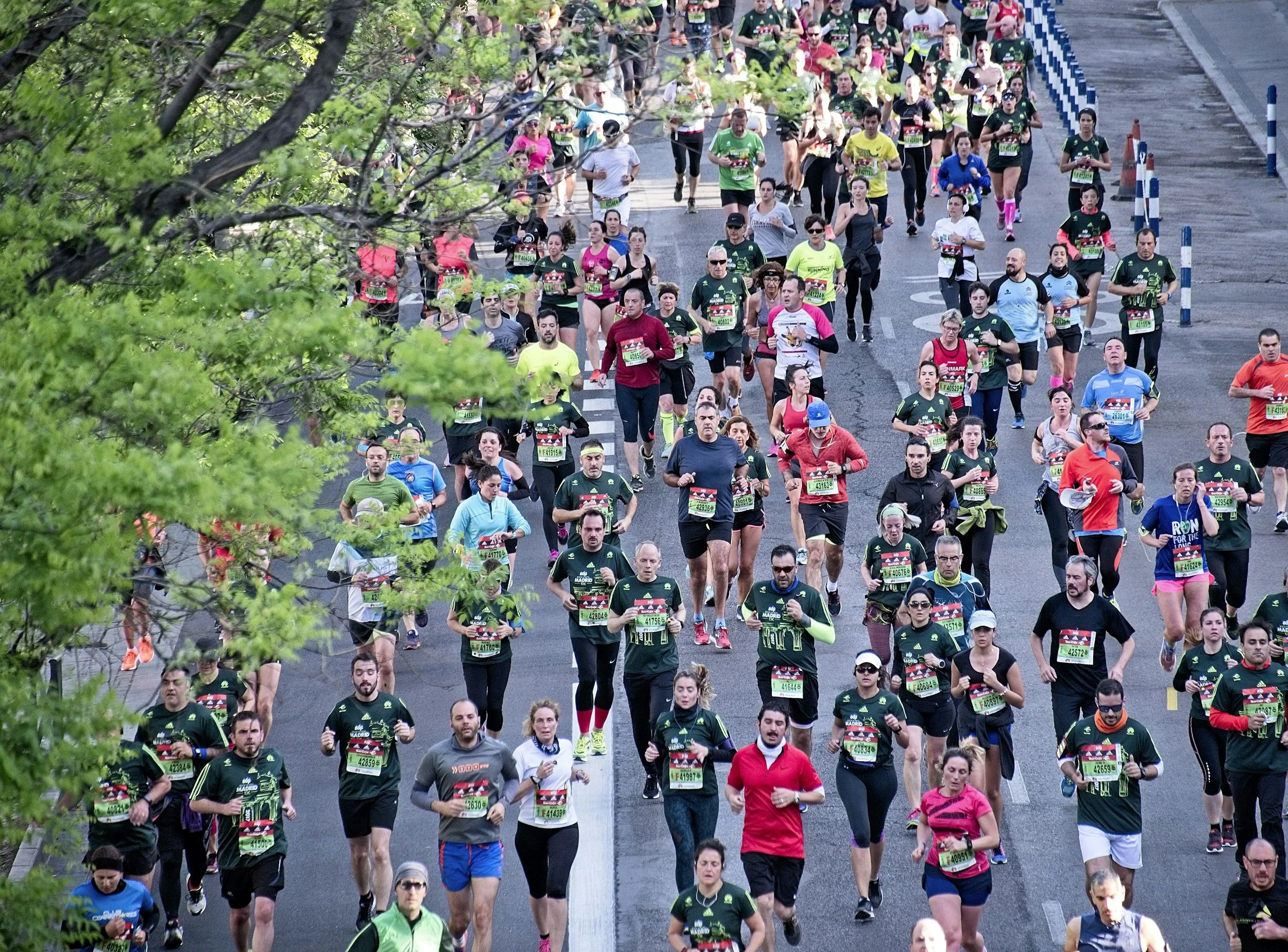
Is your next marathon just around the corner? All those early mornings, long runs, and tough sessions are about to pay off. You’ve put in the work, your fitness is there, and now it’s about giving yourself the best possible chance to feel strong from start to finish.
In these final weeks, it’s easy to get caught up in nerves or feel like you should be doing more but this is actually the perfect time to shift your focus to the small, practical things that will make a big difference on race day. Your nutrition, hydration, and race‑morning routine are all part of the puzzle, and a few simple reminders can help you line everything up so you’re confident, calm, and ready to run your best.
Think of this as your final check‑in: the key things to remember, practise, and prepare so you can step onto that start line knowing you’ve covered every angle.
Reminder 1: Don’t try anything new on race day
You’ve probably heard this a hundred times, but it’s worth repeating because it can genuinely make or break your race. Race day comes with a mix of nerves, excitement and adrenaline, and the last thing you want is to throw something unfamiliar into the mix especially when it comes to food.
Reminder 2: Make sure to do a carb load
If you’re reading this and realising you haven’t given much thought to your race‑day nutrition yet, don’t panic. The most important thing you can do right now is make sure you complete a proper carb load. This is a key step that will set you up to start strong and maintain your energy across the full marathon distance.
Carb loading helps maximise your muscle glycogen (carb) stores, which is your body’s main fuel source during long‑distance running. Higher glycogen stores mean you can delay fatigue, reduce that “heavy legs” bonking feeling and support a more consistent pace throughout the race.
In the 1–2 days before the marathon, aim for 10–12 g of carbohydrates per kilogram of body weight per day. For example:
A 55 kg runner would need roughly 550–660 g of carbs per day
A 70 kg runner would need around 700–840 g of carbs per day
Now you might be thinking, that is a heck of a lot of carbs, and you’re right, it is! Luckily I have a few helpful tips to help you reach your carbohydrate loading target.
At each meal aim to have a generous serving of carbohydrates.
Add high carb drinks such as juice, smoothies, sports drinks or a can of coke.
Choose some easily digestible carbs for snacks such as lollies, bakery items, muesli bars, crumpets, muffins or dried fruit.
Reminder 3: Practice your race day breakfast

Your pre‑race breakfast should be just as well‑rehearsed as your long runs. If you haven’t already, use the next couple of weeks to practise exactly what you plan to eat, how much, and when prior to your training runs. This helps you learn how your stomach responds, how long it keeps you feeling comfortable, and whether you need a little more or a little less. Trying a brand new breakfast on race morning even if it seems harmless could lead to gut upset, or that uncomfortable “heavy” feeling once you start running.
If you’re someone who gets tummy troubles when eating too close to a race, aim to have your breakfast 2–3 hours before the start time. This gives your stomach enough time to settle and allows your body to start digesting and absorbing those carbohydrates. From there, a small carb top‑up within the final hour like a banana, a few lollies or a small sports drink can help keep your energy levels steady without overloading your gut.
If you tolerate food well and you’d prefer to prioritise sleep (totally understandable on a 4 a.m. wake‑up day!), having your breakfast around 2 hours before the start without an extra top‑up is absolutely fine. The key is knowing what works for you and practising it in the lead‑up.
And remember, “don’t try anything new on race day” applies to timing just as much as it applies to food choices. Stick with the routine you’ve tested, trust what you know works, and give yourself the best chance of feeling settled and ready to run when you hit that start line.
The good news is that our gut trains REALLY fast (much faster than our legs)! So if you haven’t tried running after breakfast yet as long as you have a couple of weeks up your sleeve - start now and you’ll be fine!
Reminder 4: Know what works for you during your run
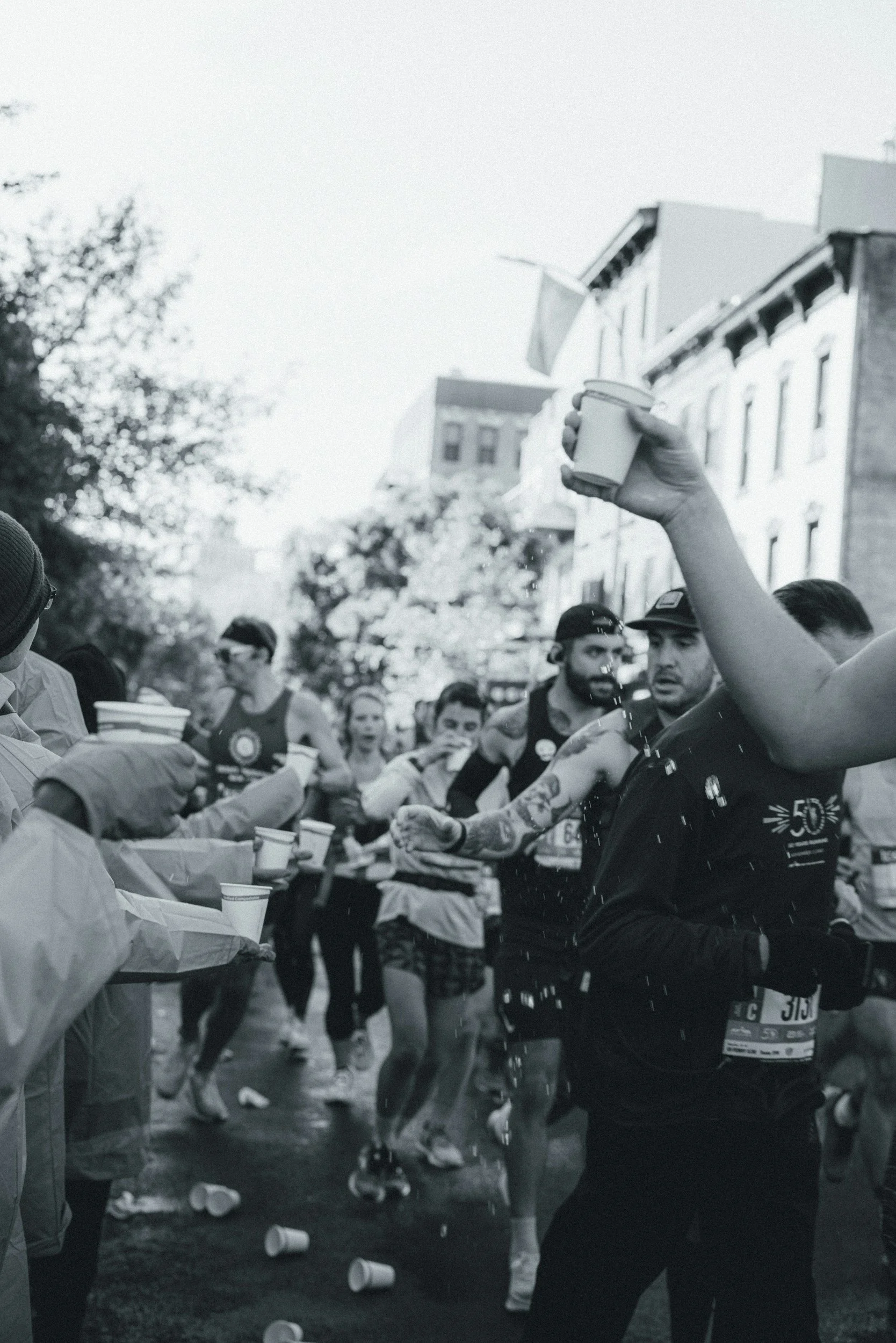
Before race day, take some time to familiarise yourself with the course, especially where each refreshment station is located and what they’ll be supplying. This will make your hydration plan far easier to execute on the day as fluids are easy to forget when you are caught up in the moment. As a guide, you’ll usually get around 80 ml per cup (assuming minimal spillage), so factor that into your hourly fluid targets.
When you’re moving through aid stations, slow down if you need to. A few extra seconds to properly grab a drink is worth it if it helps you stay on top of your hydration and fuelling plan.
Aim for 30–60 g of carbohydrates per hour as a beginners guide, but if you are a seasoned pro you may want to start planning your nutrition a little further out and be aiming for 70-90g/hr or more.
Think ahead about how you’re going to carry your sports nutrition. A running belt, pockets or handheld options can all work well. If you have a spectator on course, you might even plan for them to hand you your nutrition for the second half so you’re not carrying everything from the start.
Finally, decide how you’ll remember your fuelling schedule. Will you take your nutrition based on kilometres, on time, or at specific landmarks on the course? Choose a method that feels intuitive and easy to stick to once you’re in the flow of the race.
Reminder 5: Nail your recovery Nutrition
Crossing that finish line is huge, and your body has worked incredibly hard to get you there. The best thing you can do now is support your recovery with some simple nutrition steps.
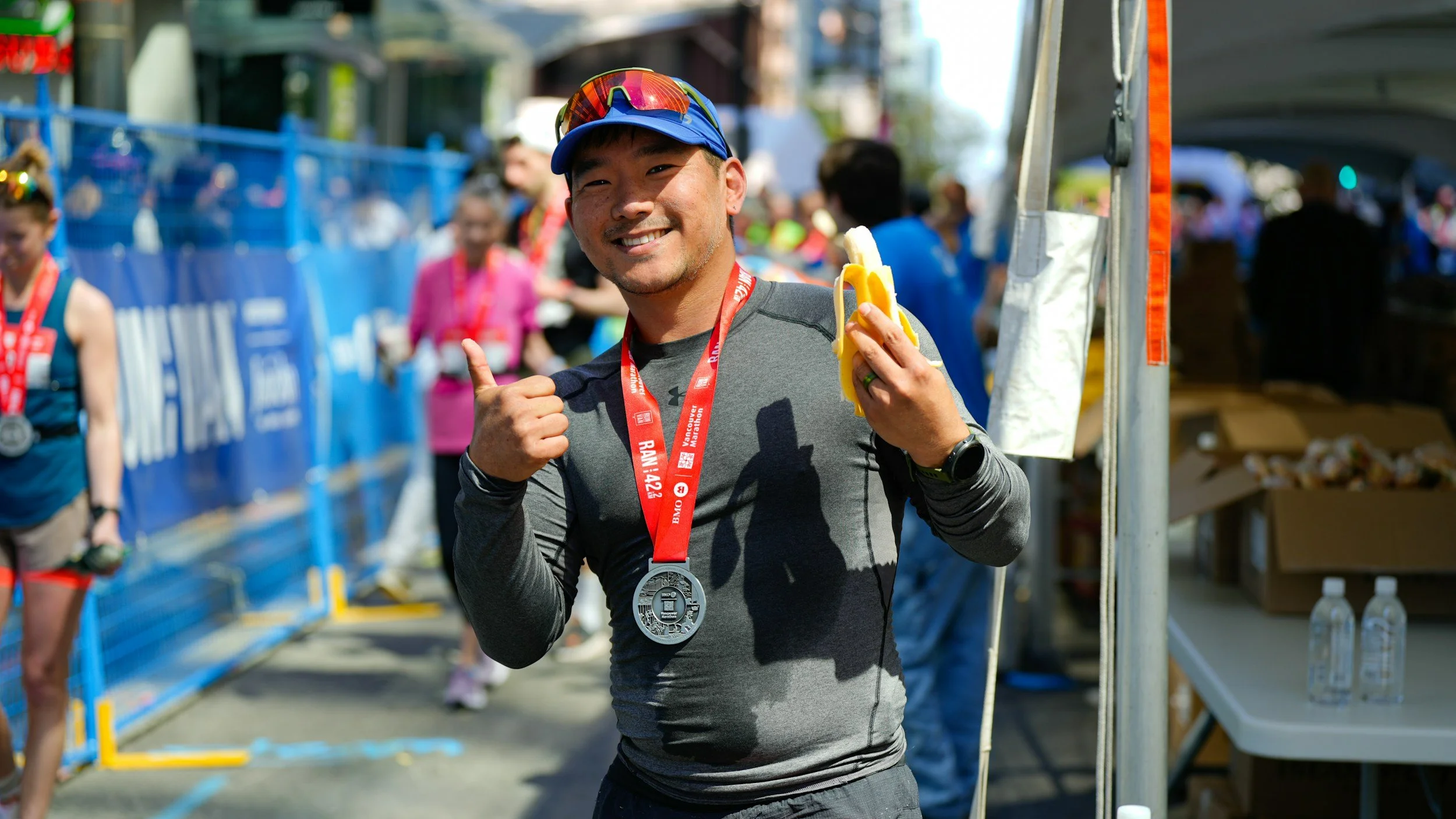
After a marathon, you want to focus on carbs to refuel, protein to repair and fluids to rehydrate. An easy option straight after the race is a chocolate milk or a protein milk. It's quick, convenient and ticks all three boxes when you might not feel like eating yet.
Once your stomach settles, aim for a proper meal within 1–2 hours and keep sipping water or electrolytes across the afternoon. A little attention to recovery now will help you feel so much better tomorrow.
Final Thoughts…
If you’re reading this and feeling like you need a bit more structure or personalised guidance for your next race, you don’t have to figure it all out on your own. Every runner is different, and having a tailored plan can make a huge difference to how confident, prepared and strong you feel on the start line.
If you’d like more support with your fuelling, hydration, carb‑loading or overall race‑day strategy, get in touch. We can work together to build a plan that suits your training, your goals and your gut, so you can line up knowing you’ve done everything you can to run your best.
You’ve put in the hard work. Now let’s make sure your nutrition helps you get the most out of it.
Book an appointment with Erin or Nicole, your Sports Dietitian’s today.