
The GLP-1 Advice Gap: 5 Things Your Prescription Won't Cover
Written by Amy Allia
- Gastrointestinal Dietitian and Credentialled Diabetes Educator

Many people start a GLP-1 medication like Ozempic, Wegovy or Mounjaro for weight loss or to manage conditions like sleep apnoea or diabetes. There's no shortage of information out there, but not much of it covers what helps you get the most out of your medication and helps the results last.
How do they work?
Here's the short version of how they work: GLP-1 medications reduce appetite and slow stomach emptying. Food sits in your stomach longer, hunger is dulled, and portions that used to feel small now feel like plenty. That's exactly why nutrition matters here, it's easy to under eat in ways that lead to muscle loss, nutrient gaps, fatigue and nausea.
Here are 5 ways to get the most out of your GLP-1 medication that the prescription won’t cover.
1. Why you feel sick, and what actually helps
Nausea tends to be worst first thing in the morning, after long gaps without eating, and after big, fatty or very high fibre meals.

What helps?
A small breakfast, even without hunger
Eating every 3 to 4 hours instead of waiting for hunger
Smaller meals, less fried or greasy food
Easing off very high fibre foods or supplements for a few days after a dose increase
Sipping fluids regularly rather than big gulps
Here's the trap: not eating makes the nausea worse, which makes you eat even less. Small regular meals break that cycle far better than skipping meals to "let it settle."
If you're vomiting, can't hold down fluids, or barely eating for more than a day or two, you should call your GP, not wait-and-see.
Working with a Dietitian can help you to learn to strike the ideal balance when it comes to eating the right amount at the right time to achieve your goals and not feel sick along the way.
2. The side effect nobody warns you about: muscle loss
Weight loss on a GLP-1 isn't only fat loss. In some studies, more than a third of it was lean muscle mass.¹ The risk climbs with rapid weight loss, low protein, no resistance training, perimenopause or menopause, and a sedentary lifestyle.
What helps?
To limit this it is important to include adequate protein at all meals across the day.
If appetite is really low: protein first, soft foods like yoghurt, eggs and smoothies, spread evenly across the day rather than crammed into one meal.
Spread it out. 25 to 40g of protein per meal across three meals is more useful than the same total loaded into dinner. Consistency beats one big serve and your dietitian can provide you with a personalised protein target.
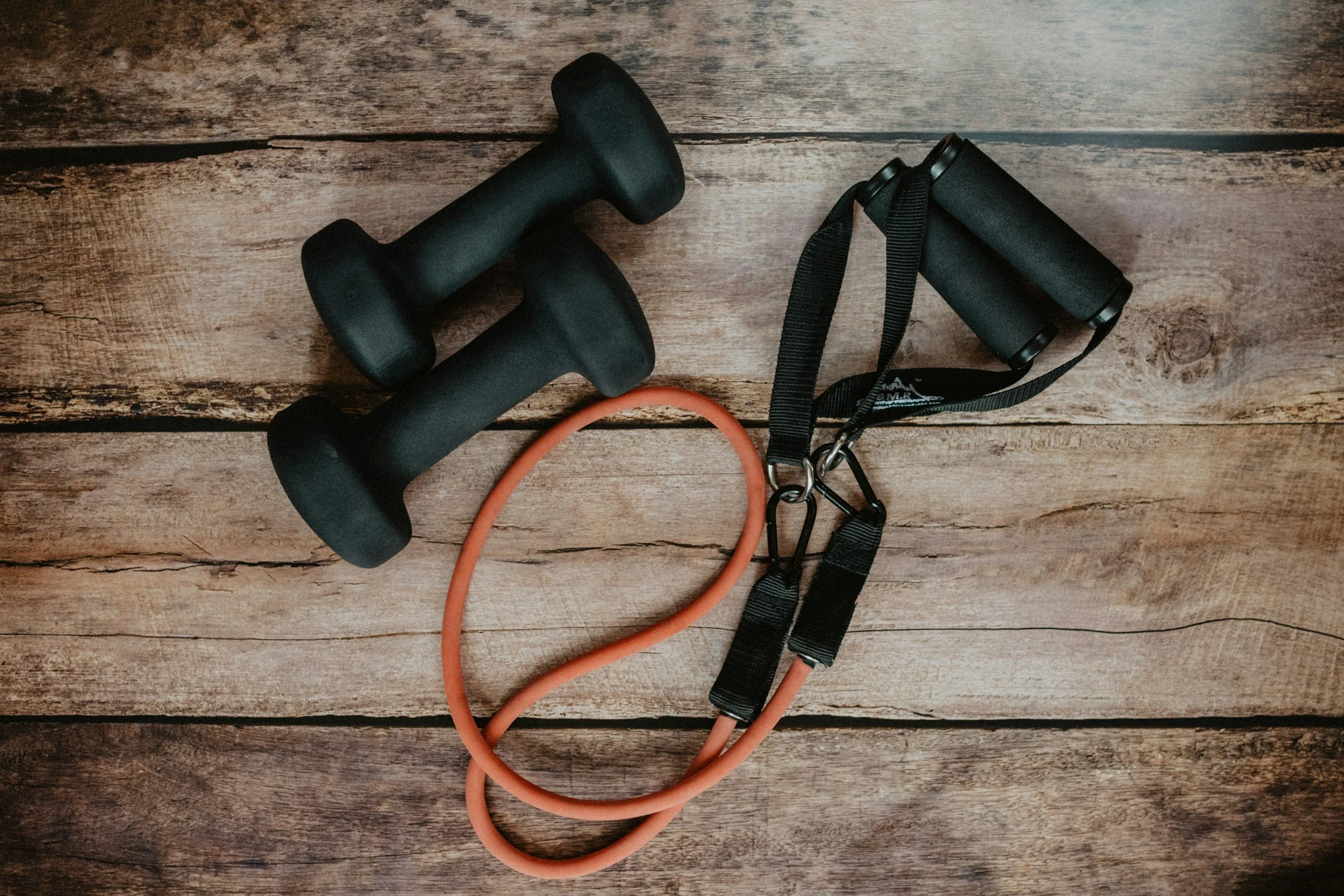
Move, don't just eat well. Resistance training 3x a week plus 150+ minutes of moderate cardio weekly is the best evidenced way to protect muscle and bone. One trial found GLP-1 therapy plus exercise preserved bone density, GLP-1 alone did not. (1,2)
3. Don't forget to drink

Thirst can be reduced along with appetite, so drink on a schedule rather than waiting for thirst. Around 2 litres a day, unless you've been told otherwise, cuts down on constipation, fatigue and headaches.
4. The nutrients that quietly run low
Eating less overall can chip away at vitamin D, iron, thiamine, calcium and B12 without you noticing. Regular dairy or fortified alternatives, fatty fish or eggs, and supplements where advised all help. Vitamin D deficiency is common and worth asking your GP to check (3).
One supplement worth knowing: creatine monohydrate, 3 to 5g daily, is well studied for muscle health and shows benefit alongside resistance training during weight loss, although not yet studied specifically in people using GLP-1 medication this may be a useful addition (4).
As a Dietitian, my role is to check how much you are managing of these micronutrients, help you to include more or work out what supplements you may need as a top up.
5. What happens when you stop, and why it matters now
When the medication stops, so does its effect on appetite and energy regulation and this can make weight maintenance difficult (5).
That's exactly why the window during treatment matters more than it feels like in the moment. Not because eating well replaces the medication, it doesn't. But because muscle, habits and food quality shape long term metabolic health regardless of what the scale says this week.
What to focus on while you're on the medication:
Build muscle, not just lose weight. Resistance training and eating enough protein now is what protects your metabolic rate later
Use this window to build eating habits you can keep long term, not a restrictive pattern you will be unable to maintain
Talk to your prescriber early about what tapering or stopping might look like
Book in with your Dietitian before you stop, not after, so you have a plan ready rather than reacting.
-Amy Allia
Amy Allia offers consultations in person at Taringa, Brisbane and via Telehealth and can support you to optimise your GLP-1 medication for weight or diabetes management.
References
1. Mozaffarian, D., Agarwal, M., Aggarwal, M., Alexander, L., Apovian, C. M., Bindlish, S., Bonnet, J., Butsch, W. S., Christensen, S., Gianos, E., Gulati, M., Gupta, A., Horn, D., Kane, R. M., Saluja, J., Sannidhi, D., Stanford, F. C., & Callahan, E. A. (2025). Nutritional priorities to support GLP-1 therapy for obesity: A joint Advisory from the American College of Lifestyle Medicine, the American Society for Nutrition, the Obesity Medicine Association, and The Obesity Society. Obesity, 33(8), 1475–1503. https://doi.org/10.1002/oby.24336
2. Sievenpiper, J. L., Ard, J., Blüher, M., Chen, W., Wilding, J. P. H., Handzlik-Gabh, G., Wharton, S., Mechanick, J. I., Garvey, W. T., Frühbeck, G., Busetto, L., Dixon, J. B., Batterham, R. L., Kushner, R. F., & Van Gaal, L. F. (2026). Nutritional and lifestyle supportive care recommendations for management of obesity with GLP-1-based therapies: An expert consensus statement using a modified Delphi approach. Obesity Pillars, 17, Article 100228. https://doi.org/10.1016/j.obpill.2025.100228
3. Urbina, J., Salinas-Ruiz, L. E., Valenciano, C., & Clapp, B. (2026). Micronutrient and nutritional deficiencies associated with GLP-1 receptor agonist therapy: A narrative review. Clinical Obesity, 16(1), Article e70070. https://doi.org/10.1111/cob.70070
4. Ribeiro, F., Forbes, S. C., Candow, D. G., Perim, P., Kerksick, C., Johnson, K., Lancha, A. H., & Neto, J. C. R. (2026). Creatine supplementation for preventing muscle atrophy in patients taking incretin-based pharmacotherapies: A perspective. The Journal of Nutritional Physiology. https://doi.org/10.1016/j.jnphys.2026.100028
5. Wilding, J. P. H., Batterham, R. L., Davies, M., Van Gaal, L. F., Kandler, K., Konakli, K., Lingvay, I., McGowan, B. M., Oral, T. K., Rosenstock, J., Rodrigues, A. M. D., Wharton, S., & Kushner, R. F. (2022). Weight regain and cardiometabolic effects after withdrawal of semaglutide: The STEP 1 trial extension. Diabetes, Obesity and Metabolism, 24(8), 1553–1564. https://doi.org/10.1111/dom.14725